
How to connect human with machines?
Cells build up the world of biology, while chips and wires forge the realm of electronics. These two domains appear to be irrelevant from almost every aspect – one being soft, dynamic, and diverse, while the other being rigid, static, and standardised. Despite so, electrical events are fundamental in both biological and electrical systems – they are responsible for information processing, signalling, sensing, and controlling. Yet, the electrical events in the biological systems do not ‘talk’ to those in the electronics very often, so, what if we break this barrier?
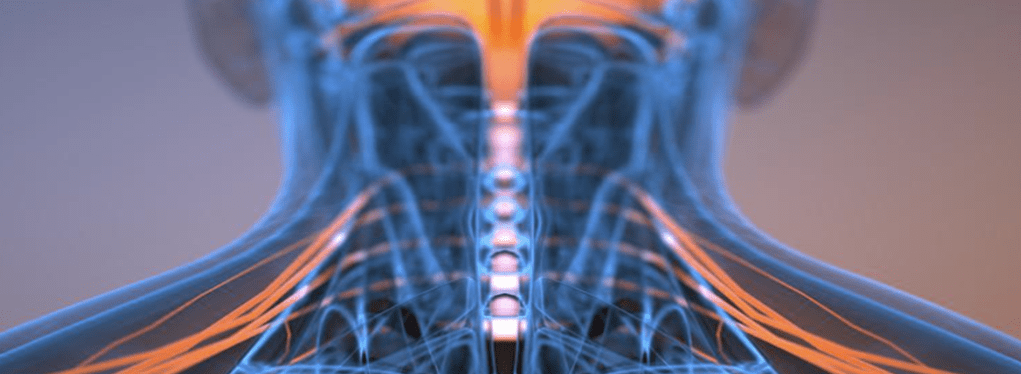
Efficient information exchange between biology and electronics is pivotal for the emerging smart healthcare, human-machine interaction, and augmented reality, which mark the new era of our lifestyle. Therefore, we need new formats of electronics – bioelectronics – that are purposely designed to adapt with human and other biological systems.
How do we build bioelectronics that could harmonically integrate with biological systems?

First, we need to understand the mechanisms of the nervous systems and the fundamentals of electrophysiology, so that we know how information exchange efficiency could be optimised. Then, we will take the engineering perspective to discuss how new formats of electronics devices could be designed and produced, so that they are soft, breathable, biocompatible, or even biodegradable. We will go through implantables, wearables, electronic textiles, and in vitro bioelectronics. Case studies of recent breakthroughs will be centred in our discussion, from publications in Nature to commercial devices from Neuralink.
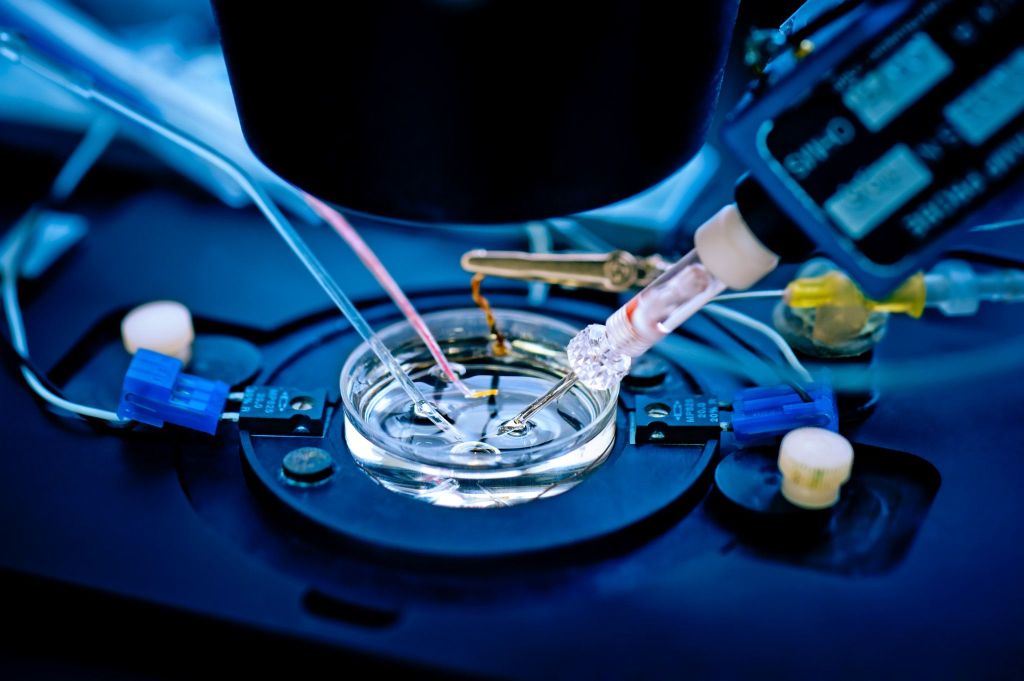
Bioelectronics is a new and developing subject, you do not need to pay much attention to the categorisation of different types of devices (we categorise them only to ease our discussion in the course). Throughout this course, I hope you could appreciate the interplay among material, design, and fabrication for innovating the bioelectronics. For example, how could organic materials be used to form circuits, and how to fabricate ultrathin electronics that conform with highly curved skins? Finally, the case studies and content of this course are not meant to confine your imaginations, but rather, to provide you with an understanding of the state-of-the-art technology in bioelectronics, and to inspire you for greater innovations.
Course code: SMMG 6000N
 Andy wang lab @ HKUST-GZ